UV printing gets recommended constantly without much explanation of what actually happens during the process. It's a specific curing method, not a print style, and understanding the mechanics clarifies why it suits some jobs and not others.
How UV printing actually works
UV lamps cure liquid ink instantly as it's laid down, rather than letting ink soak in and air-dry the way standard inkjet printing does. That instant cure is why the finish sits slightly raised and scratch-resistant on the surface rather than absorbed into it.
What UV printing can print on
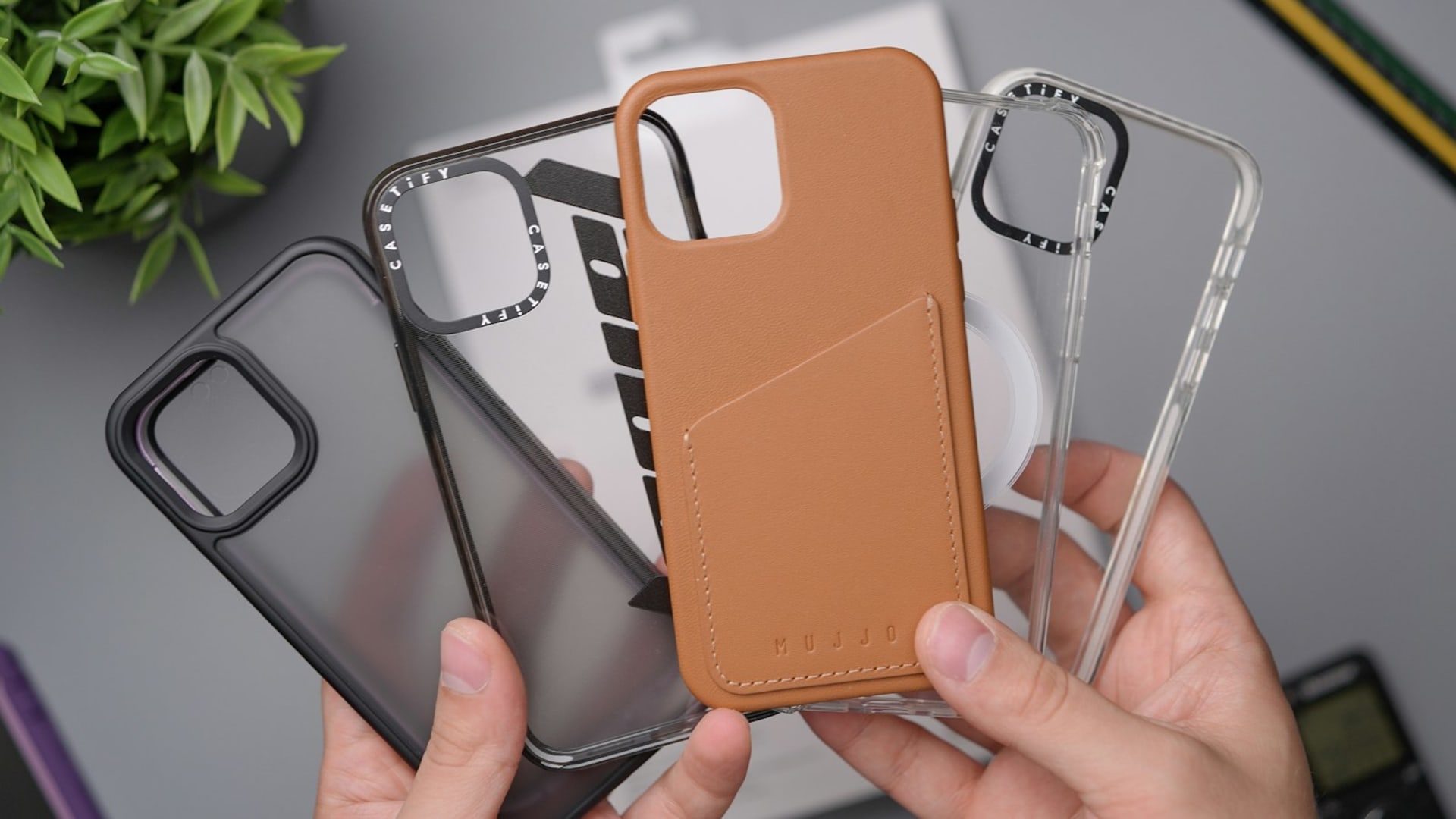
Rigid and semi-rigid surfaces: acrylic, PVC, glass, wood, leather, metal, phone cases, pens and plaques. Effectively anything flat or gently curved that can pass under a flatbed printer.
Advantages
- Instant cure means no smudging and immediate handling after printing.
- Sharp detail and vibrant colour, including white ink and gloss or spot varnish effects.
- Lower VOC emissions than solvent-based printing methods.
Where UV printing isn't the right fit
Large soft fabric runs suit DTF or screen printing better, and very large-format flexible banners are still produced with large-format digital or solvent printing rather than a UV flatbed.

