SEO gets talked about as one service when it's really four or five distinct disciplines working together: local search, technical health, on-page content, off-page authority, and increasingly, how a business shows up in AI-generated answers rather than just a list of blue links. Understanding what each one actually does is the difference between an SEO budget that moves rankings and one that gets spent without a clear result.
Local SEO and Google Business Profile
For any business with a physical location or a defined service area, a fully optimised Google Business Profile (correct category, complete business information, regularly posted updates, and a steady flow of genuine customer reviews) is often the single highest-impact SEO lever available, since it directly controls how a business appears in Google Maps results and the local map pack that sits above standard search results for "near me" and location-based searches. In competitive categories across Dubai, Abu Dhabi and Doha, a well-maintained profile with strong review volume and recency regularly outranks a technically better website with a neglected profile.
Technical SEO
Technical SEO covers the parts of a site search engines need to crawl, index and rank it correctly, including site speed, mobile-friendliness, a clean URL and site structure, proper use of structured data (schema markup) so search engines understand what a page is about, and fixing crawl errors or broken pages. It's largely invisible to a visitor but sets the ceiling on how well everything else, content, links, local signals, can actually perform.
On-page SEO and content
On-page SEO covers what's actually on each page: keyword-relevant titles and headings, content that genuinely answers what someone searching that term wants to know, internal linking between related pages, and image alt text. The most durable on-page strategy is writing content around the real questions a potential customer already has, rather than writing around a keyword and hoping the questions get answered incidentally.
Off-page SEO and link building
Off-page SEO is largely about earning links from other relevant, credible websites, which search engines read as a signal of trust and authority. For a local UAE or Qatar business, this often means local business directories, industry associations, press coverage, and partnerships with complementary businesses, rather than the large-scale, generic link building common in bigger international markets.
AEO: answer engine optimisation
As more searches get answered directly by AI tools and Google's own AI-generated summaries rather than a list of links to click, content increasingly needs to be structured to be a good answer, not just a page that ranks. That means writing content as direct question-and-answer pairs the way a person would actually phrase a question to an AI assistant, structuring FAQ content with proper schema markup so the question-answer relationship is machine-readable, and making sure a page's core answer doesn't require scrolling through unrelated content to find. This is a newer discipline than traditional SEO, and it complements it rather than replacing it, the two run alongside each other rather than as a choice between them.
How SEO results are actually measured
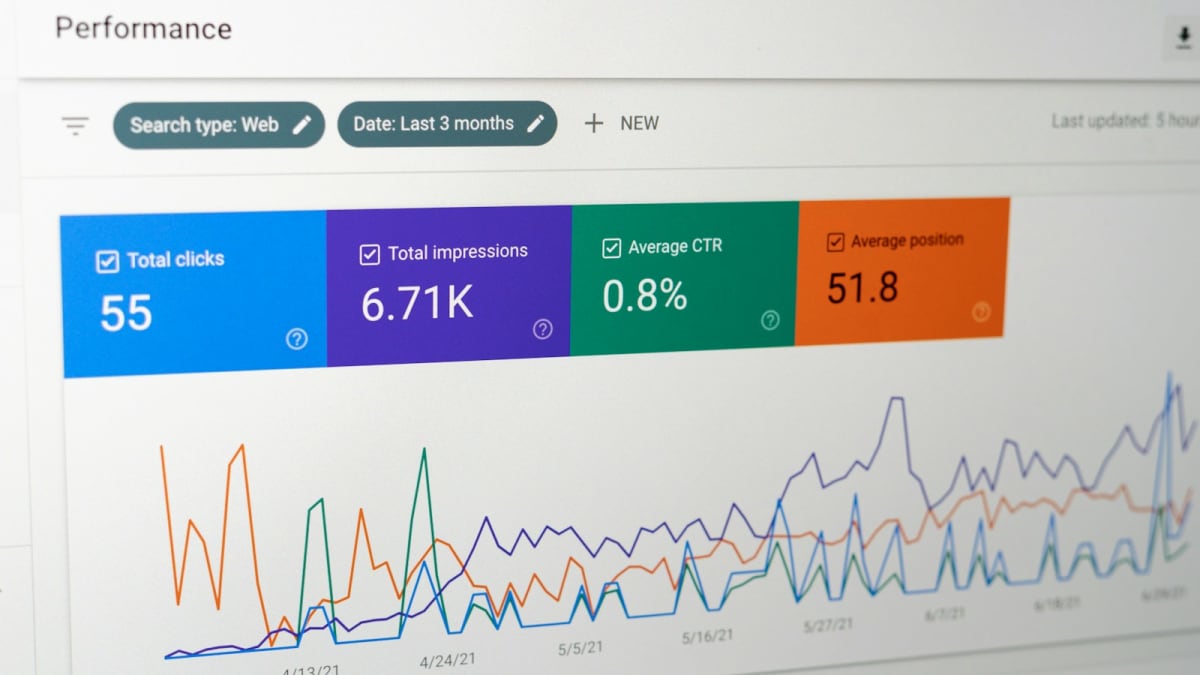
Keyword rank position gets the most attention but is the least complete metric on its own, since it says nothing about search volume or whether that keyword drives business. Organic traffic growth, local map pack visibility for target search terms, and ultimately leads or enquiries attributed to organic search are the metrics that connect SEO work back to business outcomes, and a reporting cadence built around those, agreed at the start of the engagement, keeps SEO work accountable rather than abstract.