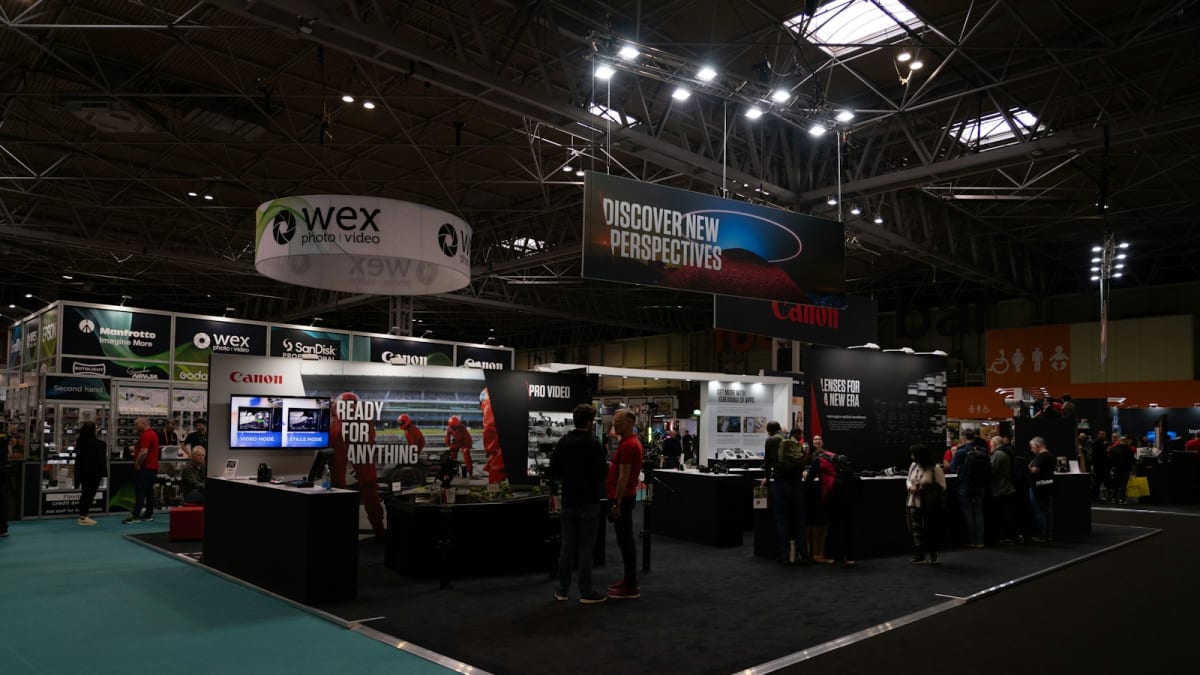
A roll-up banner stand is the most portable, fastest-to-deploy display format available, a printed banner that retracts into its own base for transport and storage, ready to stand back up in under a minute. It's a workhorse for reception areas, retail counters and exhibition aisles precisely because it asks nothing of the venue and nothing of the person setting it up.
How a roll-up stand works
A printed PVC or polyester banner is fixed to a spring-loaded roller inside a base unit, and pulled up to full height along a support pole, which locks it in place. To pack down, the pole is released and the banner retracts automatically into the base, the whole unit collapsing into a single carry case that one person can move.
Standard sizes and base types
- Standard size: roughly 85cm wide by 200cm tall, the most common size for reception areas and single-stand event use.
- Wide format: up to 150cm or more wide, used where more content or a wider visual needs to fit on one stand.
- Double-sided stands: readable from both sides, suited to a stand placed in an open walkway rather than against a wall.
- Premium bases: heavier, more stable bases for outdoor use or higher-footfall venues where a lightweight base risks tipping.
When a roll-up stand is the right choice
A roll-up stand suits a single, focused message, a promotion, a directional sign, a speaker's name at a conference, displayed at one specific spot. It's the fastest and least expensive display option for that kind of single-point messaging, and it travels well for a business that presents at multiple events or locations. For a full exhibition presence with multiple zones, product display and a larger branded footprint, a built exhibition stand or a pop-up display system suits the job better than a row of roll-up stands trying to do that job instead.
Material and print considerations
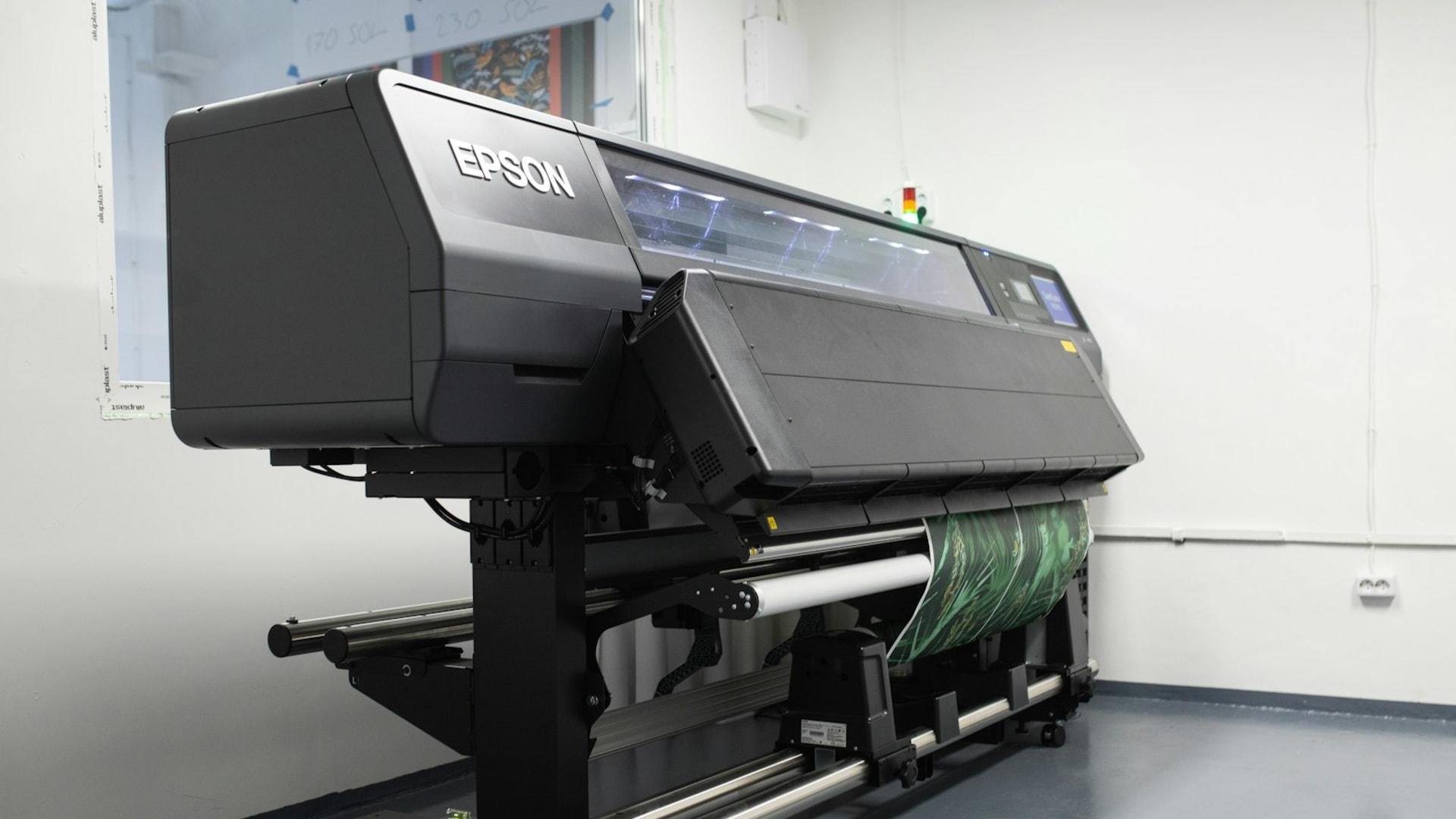
Most roll-up banners print on a matte or satin PVC or polyester material, chosen for how it looks under typical indoor lighting without glare and how well it survives repeated rolling without the print cracking at the fold line. A banner intended for years of reuse across multiple events benefits from a slightly heavier-weight material, since a thin banner shows wear at the fold faster with repeated use.